Summer on Anna Maria Island: A Locals' Guide to the Season the Turtles Rewrote
July 23, 2026
July 23, 2026
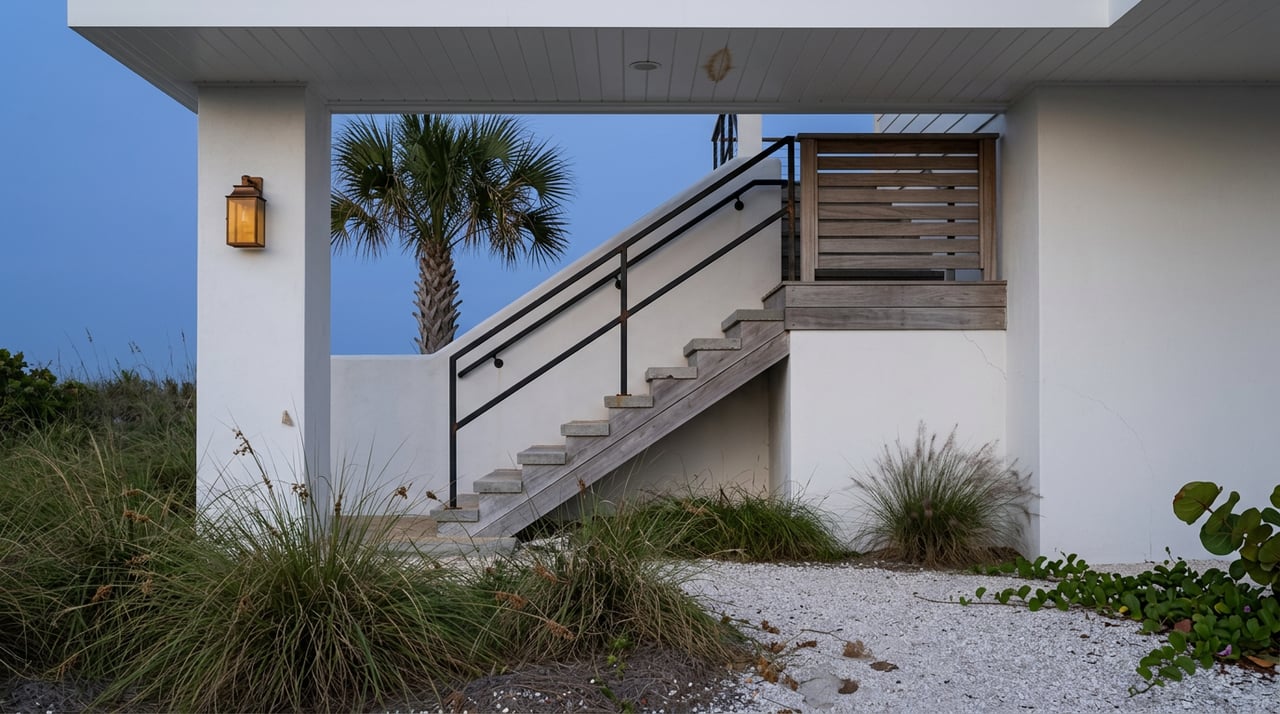
The porch light stays off now. Blinds down by nine. If you live on Anna Maria Island in the summer of 2026, you already know the drill, and you probably know a neighbor who learned it the hard way last August, chasing hatchlings out of a pool skimmer at midnight. The routine feels older than it is. It really only became this strict after Helene and Milton chewed through the dunes in 2024 and left the beach without its natural light shield.
That is the through line of this summer on the island. Almost every rhythm that feels like ordinary island life right now, from what is open on Bridge Street to what the Monday morning crowd is doing at Holmes Beach City Hall, traces back to the same recovery. The turtles are the clearest signal of it, but they are not the only one.
Anna Maria Island Turtle Watch and Shorebird Monitoring counted 344 documented sea turtle nests on AMI as of July 3, all of them made by loggerheads. For a season that only got underway in mid-May, that pace is on track with last year, when AMITW recorded 544 nests and 827 false crawls and 424 nests successfully hatched, producing more than 30,000 hatchlings, over 10,000 more than the previous year.
So more turtles than ever, on a beach that has less protection than it used to have. That is the tension the whole island is managing this summer.
Last season, lighting contributed to at least 181 documented disorientation events, and thousands of hatchlings were drawn inland instead of toward the Gulf, ending up in roads, yards and even swimming pools.
That is AMITW's own read on 2025, and it explains the ordinance signs going up on rental porches and the gentle reminders from neighbors who have lived here for decades. Hurricanes in 2024 significantly damaged dune systems and vegetation that typically shield beaches from artificial light, and without that natural barrier, lights from homes, streets and businesses can be visible from the shoreline. The dunes will grow back. This summer, they are not back yet.
If you rent out a unit on the Gulf side, the practical takeaway is small and specific. Draw the blackout curtains before the sun drops, not after. Swap any exterior fixture that faces the beach for an amber turtle-safe bulb. It is a fifteen-dollar fix that keeps a nest of a hundred hatchlings pointed the right way.
If you have never gone, this is the summer to. AMITW's free weekly presentation, Turtle Tracks & Shorebird Facts, runs at 10 a.m. Mondays, May-August, at Holmes Beach City Hall, 5801 Marina Drive. It is a good hour with coffee, and it is where most of the island's long-timers first learned what they now correct tourists about on the beach.
The volunteers also monitor the birds nobody talks about. As of early July, AMITW was tracking a least tern colony on the Gulf shore in Bradenton Beach with 32 adult terns, nine young terns and seven nests. The black skimmer colony did not fare as well this year and was deemed inactive this week, with no nests hatched and all the birds have left the enclosure. If you walk the beach at Coquina at first light, the roped enclosures on the sand are not decorative. They are what the tern chicks have this year in place of the dune line.
The most interesting thing you can do on the island in August is follow a satellite tracker. Krysta, a loggerhead sea turtle, was returned to the Gulf of Mexico June 29 at Coquina Beach after being tagged with a satellite tracker by the Sea Turtle Conservancy and Anna Maria Island Turtle Watch and Shorebird Monitoring, and Krysta is the island entry in STC's annual Tour de Turtles research marathon that begins in August.
The release itself is a small ritual with real stakes. AMITW partners with Hurricane Hanks and the Sea Turtle Conservancy each year, and the crowd is a mix of school kids, retirees who never miss it, and one or two vacationing families who happened to check the town Facebook page. If you have kids at home for the summer, put the Tour de Turtles map on the fridge. Watching a turtle you saw released off Coquina then swim toward the Yucatán over the following weeks is a better summer science lesson than anything a screen produces.
There is also a second character worth knowing this year. A juvenile green sea turtle was released June 25 at Bayfront Park in Anna Maria by the Florida Aquarium's rehab team, and the turtle, nicknamed Purple, had been rescued on Longboat Key in a cold-stunning event four months earlier.
The dining scene has been the second slow-motion story of the recovery, and it is finally settling into a shape locals can plan around. The short version is that the island's casual middle is fully back, the marquee fine-dining room is not, and the mid-market has quietly gotten more interesting.
At the top of the market, Beach Bistro is currently closed because of hurricane damage and has not announced when it will reopen. That leaves a real gap on the north end for a special-occasion dinner, and it is worth naming honestly rather than pretending the room is still on the schedule.
Everywhere else, the summer rhythm is intact:
The Bridge Street Sunday Market is on its usual off-season pause. It runs every Sunday November through April, from 10 AM to 3 PM, with local vendors, food, and live music. Between now and then, the street itself carries the load, with restaurants, live music, gelato, ice cream, beach goods, specialty shops, doughnuts, fudge, coffee, bars, putt putt, and Bingo in the four walkable blocks between the pier and Gulf Drive.
One quieter piece of recovery news worth putting on the calendar: the barrier islands are, per the county tourism office, fully open, with attractions, parks, shops, restaurants, and accommodations operating as usual. That statement matters less for visitors than for the people who live here and have spent a year and a half fielding "is it safe to come" texts from mainland cousins. The answer is finally a clean yes.
Monday, ten o'clock, City Hall for the turtle talk. Tuesday, an early beach walk at Coquina before the sand gets hot, staying wide of the roped bird enclosures. Wednesday, an evening at home with the blinds down and the porch light off, because it is peak hatching window and your unit faces the Gulf. Thursday, dinner on Bridge Street because parking is easier midweek. Friday, a check of the Tour de Turtles map to see where Krysta is heading. Saturday, out early on the trolley to skip the bridge line, breakfast at Ginny's, and home before the afternoon storms roll in. Sunday, sunset at the Kokonut Hut.
None of that is exotic. It is what a settled island summer looks like, and after two years where the schedule got broken by construction crews and closed dining rooms and reroutes, having a normal week again is the news.
If you own on the island, the single highest-leverage summer project is not aesthetic. It is your beach-facing lighting. Amber LED fixtures, timers set to shut off exterior lights by nine, and blackout treatments on any window a hatchling could see from the water line. The island's ordinances already require it in most jurisdictions, but the enforcement gap is real and the biological gap is bigger. Every fixture you swap this summer is one you do not have to think about next May.
If you are also thinking about how the last two seasons have reshaped what a coastal home should be built to handle, from elevation to impact windows to how insurers are pricing the difference between a Gulf-front and bayside lot, that is a longer conversation and one worth having with someone who has walked the island through it. When you are ready, the Argelia Vidal Team is here. Let's Connect.
Stay up to date on the latest real estate trends.

Lakewood Ranch
Subtle Charms and Hidden Gems: Discover Lakewood Ranch’s Captivating Sights.

Lakewood Ranch, FL.
How to Know What's Right for You in Lakewood Ranch, FL.
These favorite outdoor pastimes enhance life in Lakewood Ranch.
The Smart Home Features Buyers Want Most in Lakewood Ranch.

A Clear Guide to Real Estate Contingencies for Buyers and Sellers.
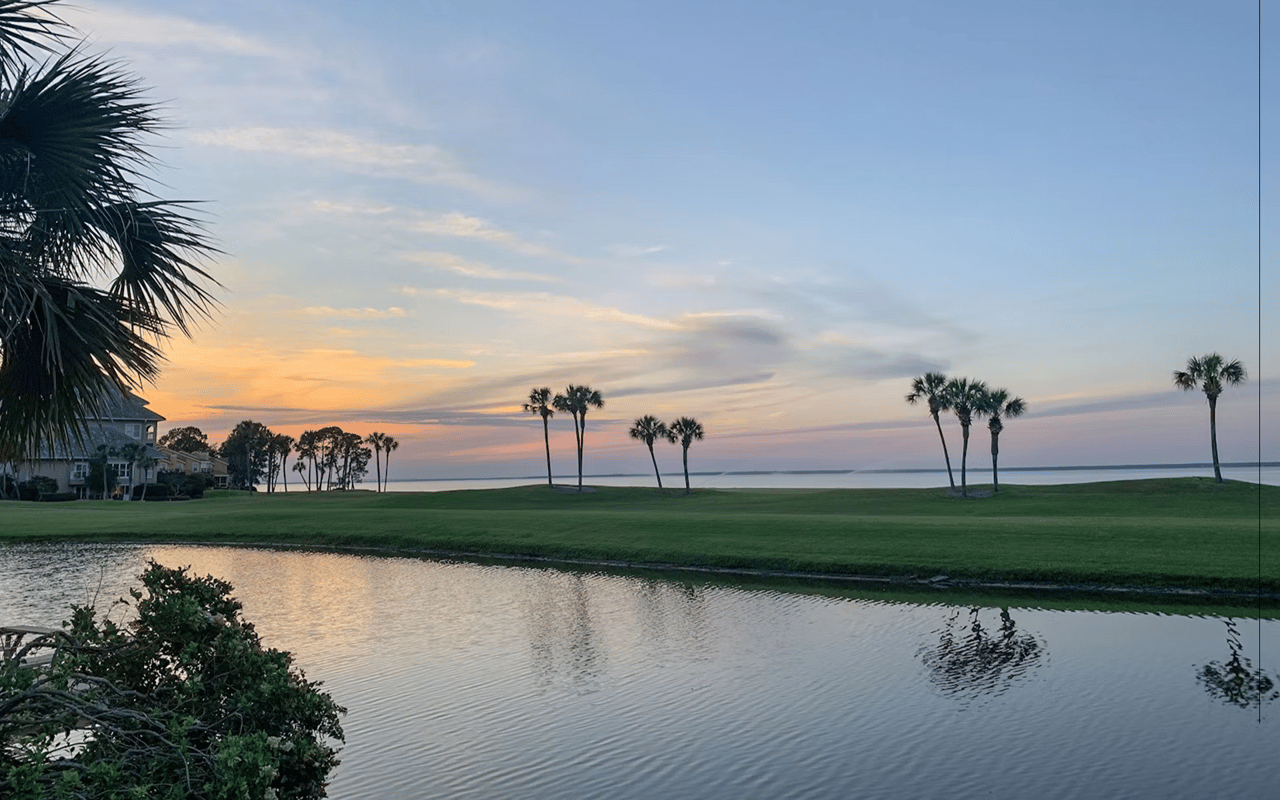
What to Expect from Golf and Country Club Living in Lakewood Ranch.
A Local's Guide to the Hidden Gems in Lakewood Ranch.
We pride ourselves in providing personalized solutions that bring our clients closer to their dream properties and enhance their long-term wealth.