By The Argelia Vidal Team
The home inspection is one of the most important steps in any real estate transaction — and one of the most misunderstood. For buyers in Lakewood Ranch, where Florida's climate creates specific concerns around moisture, roofing, and HVAC performance, understanding what the inspection covers, what it doesn't, and how to act on the results can mean the difference between a confident closing and a costly surprise. Here's how the process works.
Key Takeaways
- A home inspection is a visual assessment of the property's condition — not a pass/fail test and not a guarantee.
- Florida's climate creates specific inspection concerns that buyers in Lakewood Ranch should be prepared to address.
- The inspection period is a structured window to negotiate repairs or credits based on what the inspector finds.
- Knowing how to read an inspection report — and which findings actually matter — is essential to using it effectively.
What a Home Inspection Actually Covers
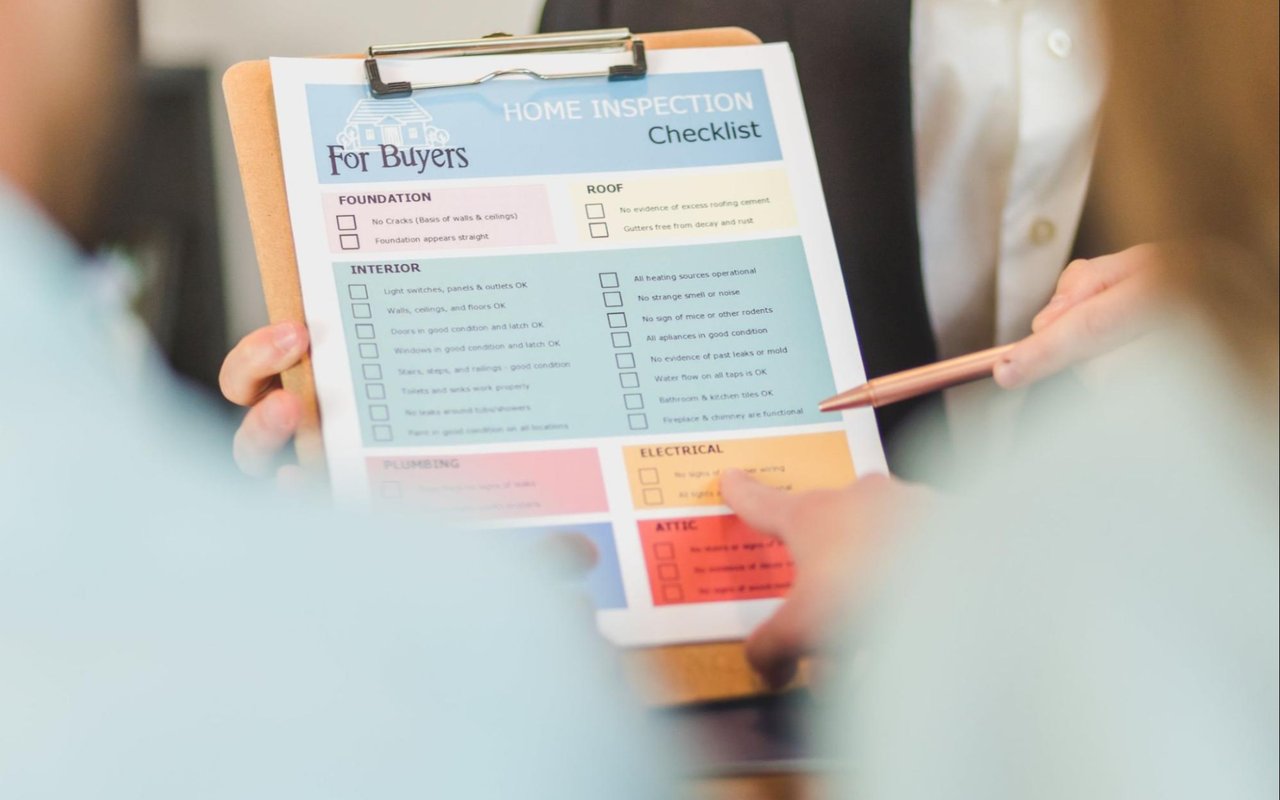
A licensed home inspector performs a visual assessment of the property's accessible systems and components. The goal is to identify material defects and deferred maintenance that could affect the home's safety, function, or value. What the inspection is not is a warranty or a guarantee of future performance.
What Inspectors Typically Evaluate
- Roof condition, including age, visible wear, flashing, and signs of prior repair
- HVAC systems — age, functionality, and whether the equipment is properly sized for the home
- Plumbing and water heater condition, including visible supply and drain lines, and signs of leakage
- Electrical panel and wiring, including proper grounding, breaker labeling, and any visible code concerns
- Foundation and structural components, windows, doors, attic insulation, and visible moisture or pest indicators
Understanding the scope helps buyers approach the report realistically rather than treating every finding as a dealbreaker.
Florida-Specific Concerns for Lakewood Ranch Buyers
Florida's heat, humidity, and storm exposure create a set of inspection concerns that buyers relocating from other states are often unprepared for. In Lakewood Ranch specifically, where many homes are relatively newer, certain systems and components require particular attention regardless of a home's age.
What Buyers Should Focus on in a Florida Inspection
- Roof condition and age are especially critical — Florida insurers scrutinize roofs closely, and a roof approaching the end of its life can complicate or significantly increase the cost of homeowners insurance
- Air conditioning performance, including whether the system adequately dehumidifies the home
- Signs of moisture intrusion around windows, doors, sliding glass doors, and in attic spaces, where Florida's driving rain can find entry points that aren't obvious during dry conditions
- Evidence of pest activity, particularly termites — Florida is one of the highest-risk states in the country for termite damage, and a separate WDO (wood-destroying organism) inspection is strongly recommended alongside the general inspection
We always advise buyers to schedule a WDO inspection and, for older homes, a wind mitigation inspection that can directly affect insurance premiums.
How the Inspection Period Works in Florida
In Florida, the inspection period is negotiated as part of the purchase contract and typically runs 10 to 15 days from the effective date. During this window, buyers have the right to conduct inspections, review findings, and either proceed with the purchase, request repairs or credits, or — if the findings warrant it — cancel the contract and receive their deposit back. It is one of the most protected periods in the transaction for buyers.
How to Use the Inspection Period Effectively
- Schedule the inspection promptly after the contract is executed — don't wait until the final days of the window
- Attend the inspection in person when possible, so the inspector can walk you through findings directly rather than leaving you to interpret a written report alone
- Prioritize the findings that matter most: safety concerns, structural issues, and systems nearing end of life carry more weight than cosmetic items
- Submit any repair request or credit ask as a single, well-documented communication with supporting estimates where available
The inspection period is not an opportunity to renegotiate the entire deal — it's a window to address legitimate concerns. Approaching it with that mindset leads to better outcomes for everyone involved.
Reading the Report: What Actually Matters
A thorough home inspection report for a Lakewood Ranch property can run 50 pages or more and include dozens of findings ranging from significant defects to minor maintenance recommendations. First-time buyers in particular often feel overwhelmed — either by the volume of findings or by difficulty distinguishing between a cosmetic observation and a material concern.
How to Prioritize Inspection Findings
- Safety hazards should always be addressed before closing
- Systems approaching end of life are worth negotiating, even if they're currently functional, because replacement costs are significant
- Active water intrusion or evidence of moisture damage warrants further evaluation before proceeding
- Deferred maintenance items and cosmetic observations are typically the buyer's responsibility and not a basis for renegotiation
We review every inspection report with our buyers and give direct guidance on which findings to act on — and how.
FAQs
Do I need a separate inspection for new construction in Lakewood Ranch?
Yes — and this surprises many buyers. New construction homes are not immune to defects, and having an independent inspector review the property before closing is a wise investment regardless of the builder's reputation. A pre-closing inspection on a new build often catches issues with installation, incomplete work, or items that didn't make it onto the builder's punch list.
What if the seller refuses to make repairs after the inspection?
Sellers are not legally required to make repairs. However, buyers can request a credit toward closing costs, negotiate a price reduction, or — if the findings are significant enough — cancel the contract within the inspection period. The right response depends on the specific findings, the current market, and how motivated both parties are to close. We navigate this with every client based on the facts.
How much does a home inspection typically cost in Lakewood Ranch?
A standard general inspection for a single-family home in Lakewood Ranch typically runs between $350 and $600, depending on the size and age of the property. A WDO inspection adds another $75 to $150. Wind mitigation and four-point inspections, which are often required by insurers, are additional. These costs are paid by the buyer and are well worth the investment.
Navigate the Process with The Argelia Vidal Team
The inspection process is one of the most important stages in any home purchase, and having the right team guiding you through it makes all the difference. We bring genuine care, honest communication, and the kind of attention to detail that keeps our clients informed and protected at every step. Whether you're buying your first home in Lakewood Ranch or adding to a portfolio of investment properties, we're committed to your success from contract to close.
Visit our website to connect with our team and get started.